
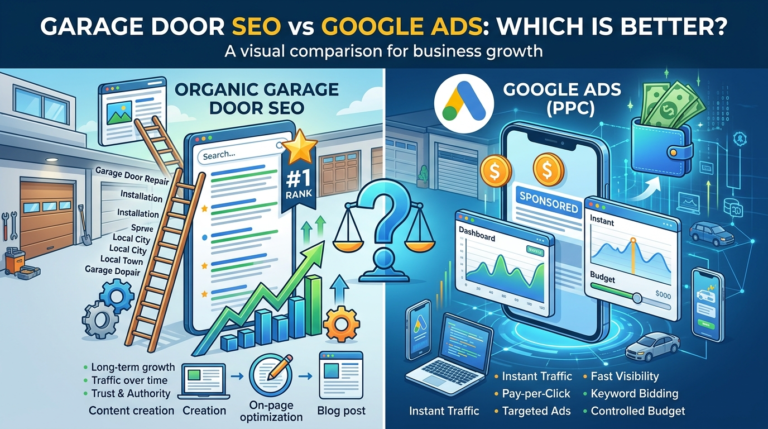
Garage Door SEO vs Google Ads: Which Is Better?
Every garage door company owner eventually asks the same question: should I put my marketing budget into SEO, into Google […]
Running a great orthodontic practice and growing one are two different skill sets. You can have the gentlest chairside manner in town and still watch new patient numbers stall out, simply because…
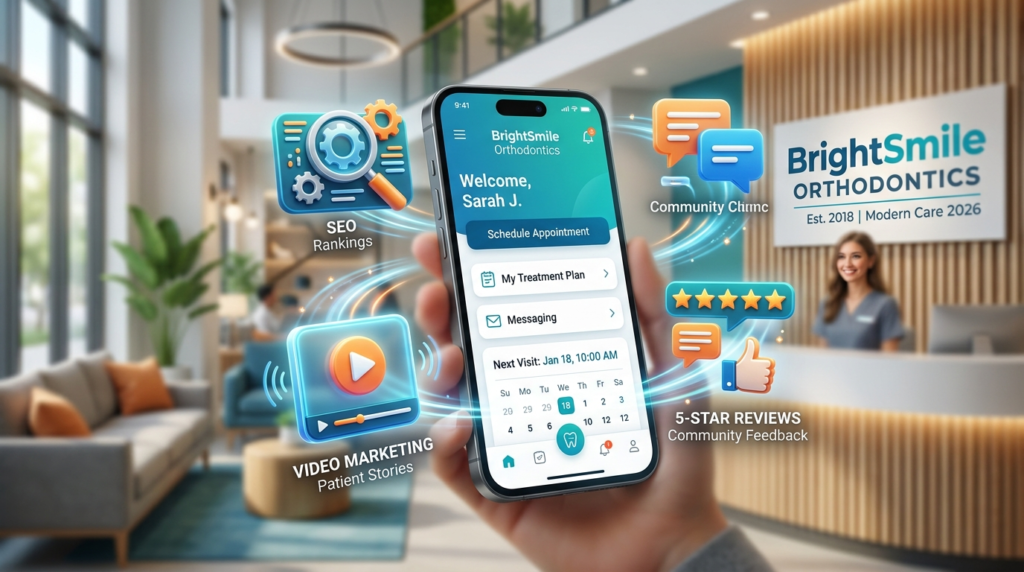
Running a great orthodontic practice and growing one are two different skill sets. You can have the gentlest chairside manner in town and still watch new patient numbers stall out, simply because the practice down the street is easier to find on Google.
That’s the part most orthodontists underestimate. Patients aren’t choosing you because you’re the best, they’re choosing whoever shows up first, looks trustworthy, and makes booking a consultation effortless. In 2026, that means your marketing has to work across search, ads, social, and your website at the same time, not just one channel in isolation.
Here’s a practical, no-fluff breakdown of what actually moves the needle this year.
Most orthodontic searches are local by nature. Nobody searches “best orthodontist” without a city attached, even if they don’t type the city, Google adds it for them based on location.
To compete in local results:
Local SEO is slower than paid ads, but it builds an asset that keeps generating leads without an ongoing per-click cost.
A lot of orthodontic websites are still built to look nice rather than to convert. In 2026, that’s an expensive mistake.
What actually drives bookings:
If your website hasn’t been redesigned in the last three years, it’s worth a full audit, not just a visual refresh, but a conversion focused rebuild.
SEO and PPC solve different problems. SEO builds long-term, compounding visibility. PPC gets you in front of patients who are searching today, while your SEO is still building momentum.
For orthodontic practices specifically:
A well-run campaign typically needs 4-6 weeks of data before you can judge it fairly, resist the urge to pull the plug after the first slow week.
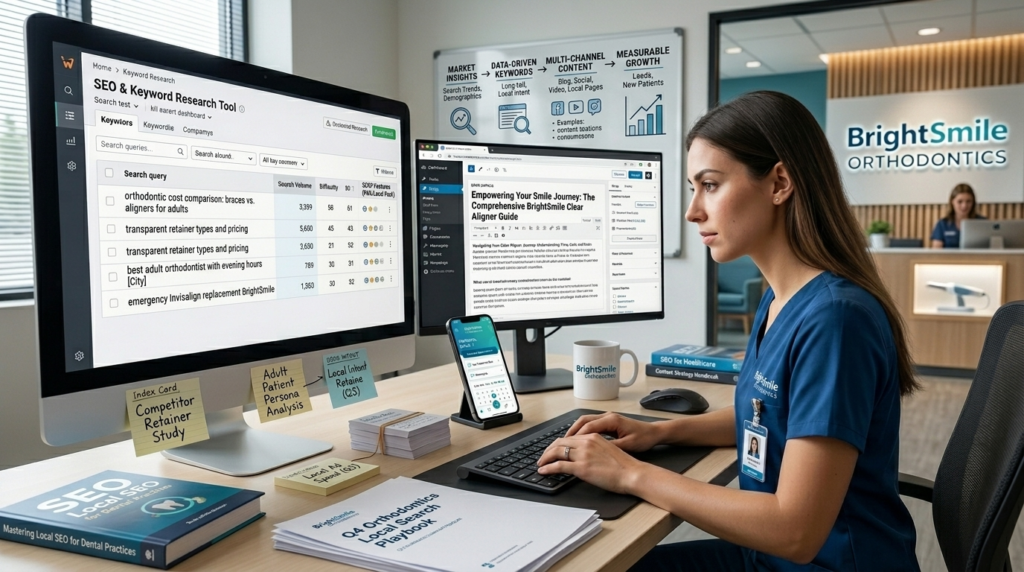
Blog content still works in 2026, but only if it’s built around real search intent instead of generic “orthodontic tips” posts that nobody is looking for.
Strong topics to cover:
Each post should link back to a relevant service page and include a clear next step, usually a consultation booking link. Content that doesn’t guide the reader toward an action is just traffic without a purpose.
Social media rarely closes a sale on its own, but it plays a major role in whether a patient feels comfortable enough to book after finding you on Google.
What performs well for orthodontic practices:
Consistency matters more than frequency here. Three well-made posts a week outperform a daily posting habit that burns out after a month.
Reviews influence both rankings and conversions. A practice with 40 reviews at 4.9 stars will consistently outperform a practice with 400 reviews at 3.8 stars, both in search visibility and in patient trust.
Practical steps:
It’s easy to get distracted by vanity metrics like website visits or social media likes. The numbers that actually reflect a healthy marketing strategy are:
A monthly review of these numbers, even a simple one, tells you far more than a dashboard full of impressions ever will.
None of these channels work especially well in isolation. SEO without a conversion-ready website wastes the traffic it earns. Paid ads without good landing pages waste budget. Social media without consistent posting fades into the background. The practices that grow fastest in 2026 are the ones treating marketing as one connected system, not a list of separate tasks.
If you’d rather have an experienced team build and manage that system for you, [Schedule a free marketing audit] to see exactly where your practice stands today and what’s holding back new patient growth.
The most effective approach combines local SEO, a fast and mobile-friendly website, patient reviews, social media engagement, and targeted advertising. Rather than relying on a single channel, successful practices use multiple marketing strategies to reach potential patients at different stages of their decision-making process.
Most patients search for orthodontic services in their local area. Local SEO helps your practice appear in search results when people look for terms like “orthodontist near me” or “Invisalign provider in “city”.” Better local visibility can lead to more calls, appointments, and website visits.
Results depend on the strategies being used. Paid advertising can generate leads relatively quickly, while SEO and content marketing often take several months to build momentum. Consistency is important, as long-term efforts typically produce the most sustainable growth.
Common mistakes include neglecting online reviews, ignoring local SEO, using an outdated website, failing to track marketing performance, and focusing too heavily on one marketing channel. A balanced and data-driven approach generally produces better results.
Smaller practices can compete by emphasizing personalized care, building strong relationships with patients, maintaining a positive online reputation, and targeting local search opportunities. Consistent marketing and excellent patient experiences often help smaller practices stand out in competitive markets.
Keep reading
 Blog
Blog Every garage door company owner eventually asks the same question: should I put my marketing budget into SEO, into Google […]
 Blog
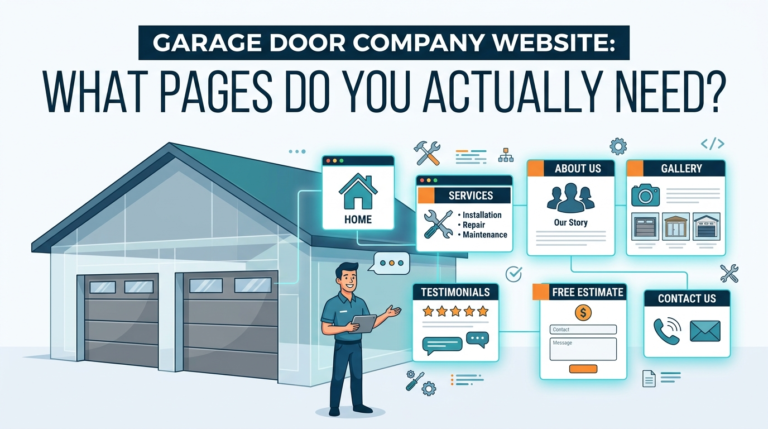
Blog A lot of garage door companies build a website with a homepage, a services page, and a contact page — […]
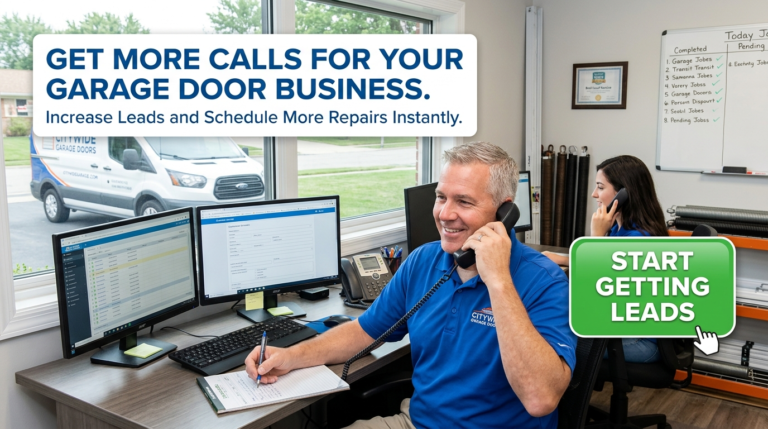 Blog
Blog SEO takes months to pay off. Google Ads can start ringing your phone today. For garage door companies, where a […]
Marketing
Reviews, local SEO and a website that is easy to use work best together. Tell us about the business and we’ll tell you, plainly, what we would do next.