
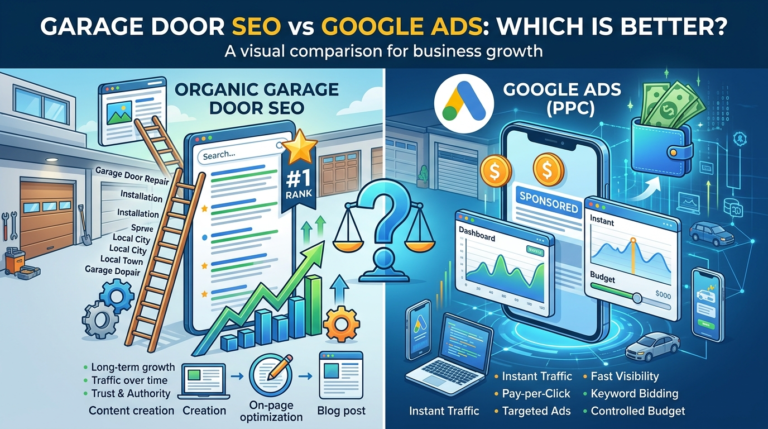
Garage Door SEO vs Google Ads: Which Is Better?
Every garage door company owner eventually asks the same question: should I put my marketing budget into SEO, into Google […]
If you’ve started researching orthodontic treatment, you’ve probably already noticed this is one of the first questions that comes up. Both braces and Invisalign can straighten teeth effectively, correct bite issues, and…
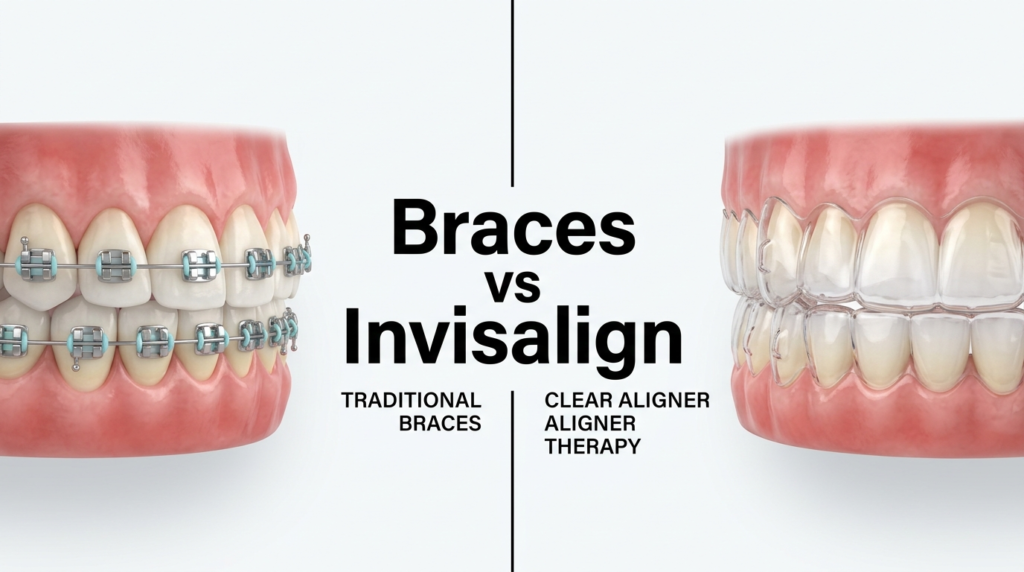
If you’ve started researching orthodontic treatment, you’ve probably already noticed this is one of the first questions that comes up. Both braces and Invisalign can straighten teeth effectively, correct bite issues, and give you the smile you’re after, but they work very differently, and the right choice depends on more than just personal preference.
Here’s a complete, honest comparison to help you figure out which option actually fits your situation.
Braces use metal or ceramic brackets bonded to each tooth, connected by a wire that’s adjusted periodically to gradually shift teeth into the correct position. They’re fixed in place for the duration of treatment, meaning they can’t be removed at home.
Invisalign uses a series of clear, custom-made aligner trays that gradually move teeth, with each tray worn for about one to two weeks before switching to the next in the series. Unlike braces, aligners are removable, which changes a lot about the day-to-day treatment experience.
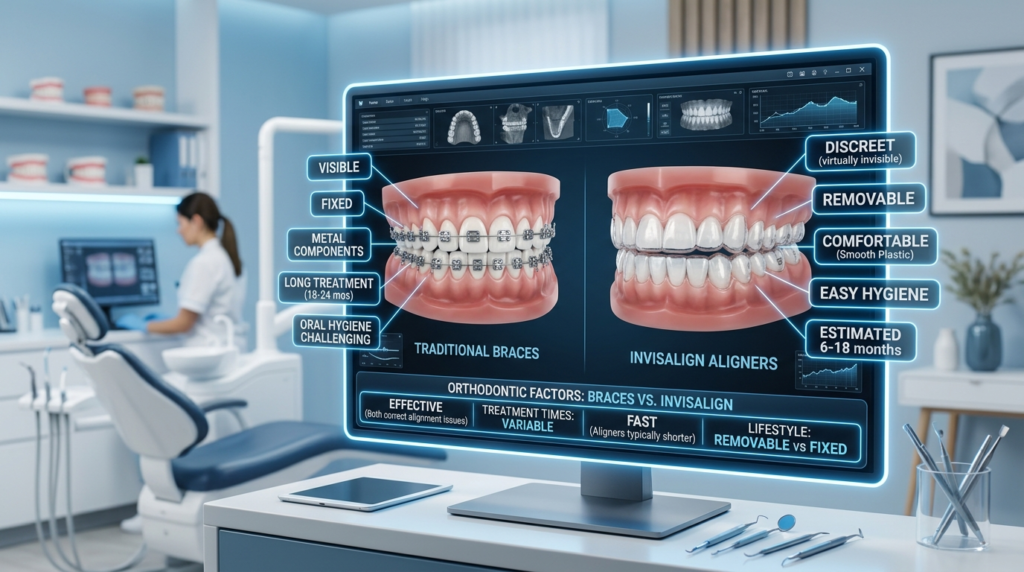
Braces remain the more versatile option for complex orthodontic cases, including significant bite misalignment, severe crowding, or cases requiring precise tooth rotation. Invisalign has become highly effective for mild to moderate cases and continues to expand into treating more complex situations, but for certain severe cases, braces are still considered the more reliable choice. An orthodontist’s evaluation is the only way to know for certain which category a specific case falls into.
Treatment time varies significantly by case complexity for both options, but on average, Invisalign treatment often takes somewhat less time than traditional braces for comparable cases, frequently completing in 12 to 18 months versus 18 to 24 months for braces. More complex cases can extend either timeline considerably, so these ranges are a general guide rather than a guarantee.
Braces can cause more noticeable discomfort initially and after each adjustment, along with a higher likelihood of irritation to the cheeks and lips from brackets and wires. Invisalign trays are generally considered more comfortable day-to-day, since there’s no metal hardware, though switching to a new tray in the series can cause temporary pressure and mild soreness for a day or two.
This is often the deciding factor for many patients, particularly adults. Invisalign aligners are clear and far less noticeable, which is a significant advantage for patients concerned about the visual impact of treatment, especially in professional settings. Traditional braces are visibly metal, though ceramic (tooth-colored) braces offer a less noticeable alternative for patients who want a fixed option without the full visibility of metal brackets.
Invisalign’s removability is both its biggest advantage and its biggest responsibility. Being able to take the trays out for eating, brushing, and special occasions is convenient, but it also requires discipline, aligners need to be worn 20 to 22 hours per day to stay on track, and inconsistent wear can extend treatment significantly. Braces require no daily decision-making since they’re fixed in place, which removes the discipline factor entirely but also means no flexibility for special occasions.
Braces come with real dietary restrictions, sticky, hard, and chewy foods can damage brackets or wires, meaning popcorn, certain candies, and some fibrous foods are typically off-limits for the duration of treatment. Invisalign has no food restrictions at all, since the trays are removed before eating, which is a meaningful advantage for patients who don’t want to change their diet during treatment.
Cleaning around brackets and wires takes more effort and often requires specialized tools like floss threaders or water flossers to reach areas a regular toothbrush can’t. Invisalign makes oral hygiene considerably simpler, since aligners are removed for brushing and flossing, allowing a normal routine throughout treatment.
Cost ranges overlap significantly between the two options and depend heavily on case complexity, geographic location, and the specific provider. As a general range, traditional braces often cost somewhat less than Invisalign for comparable cases, though this gap has narrowed considerably in recent years as Invisalign has become more widely available. Insurance coverage and financing options vary by provider and plan, so a direct cost comparison is best confirmed during a consultation rather than assumed from general averages.
A consultation with an orthodontist is the only reliable way to determine which option fits a specific case, since treatment recommendations depend on factors like bite alignment, crowding severity, and overall oral health that aren’t fully visible without an exam. During a consultation, expect:
Neither braces nor Invisalign is universally “better”, they’re different tools suited to different cases and different lifestyles. Braces offer reliable, no-compromise treatment for complex cases and patients who don’t want to manage daily compliance. Invisalign offers a more flexible, less visible option well-suited to mild-to-moderate cases and patients who value discretion and lifestyle flexibility, provided they’re consistent with wear time.
The most reliable way to know which option is right for you is a professional evaluation, since case-specific factors ultimately matter more than general comparisons. Schedule a free consultation to get a clear, personalized recommendation based on your specific smile and goals.
In some cases, Invisalign can be faster, especially for mild to moderate alignment issues. However, treatment time varies from person to person. More complex cases may take a similar amount of time with either option, so it’s best to consult an orthodontist for an accurate estimate.
Many patients find Invisalign more comfortable because there are no metal brackets or wires that can irritate the inside of the mouth. However, both braces and Invisalign can cause temporary soreness when teeth begin shifting or when adjustments are made.
Invisalign can treat many common orthodontic concerns, including crowded teeth, gaps, and some bite issues. However, braces may be a better solution for severe alignment problems or more complicated cases that require greater control over tooth movement.
The cost can vary depending on the complexity of your treatment and where you live. Traditional braces are often slightly less expensive, but the difference is not always significant. Many orthodontic offices offer payment plans for both options, making treatment more accessible regardless of your choice.
Keep reading
 Blog
Blog Every garage door company owner eventually asks the same question: should I put my marketing budget into SEO, into Google […]
 Blog
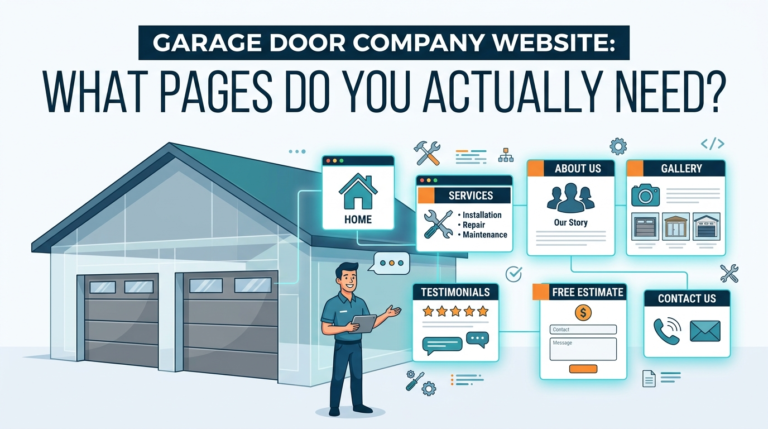
Blog A lot of garage door companies build a website with a homepage, a services page, and a contact page — […]
 Blog
Blog SEO takes months to pay off. Google Ads can start ringing your phone today. For garage door companies, where a […]
Marketing
Reviews, local SEO and a website that is easy to use work best together. Tell us about the business and we’ll tell you, plainly, what we would do next.