
Garage Door SEO vs Google Ads: Which Is Better?
Every garage door company owner eventually asks the same question: should I put my marketing budget into SEO, into Google […]
Electrical work doesn’t happen at a steady, predictable pace throughout the year. Certain problems and projects cluster around specific seasons, and homeowners searching for solutions tend to follow that same rhythm. An…
Electrical work doesn’t happen at a steady, predictable pace throughout the year. Certain problems and projects cluster around specific seasons, and homeowners searching for solutions tend to follow that same rhythm. An electrician who markets the same way in January as they do in July is missing a genuine opportunity to show up exactly when demand for a specific service is naturally rising.
Seasonal marketing isn’t about reinventing your business four times a year. It’s about paying attention to what your customers are actually dealing with at different points in the year and adjusting your messaging, ads, and content to match it. Here’s a practical breakdown of what tends to matter most in each season.
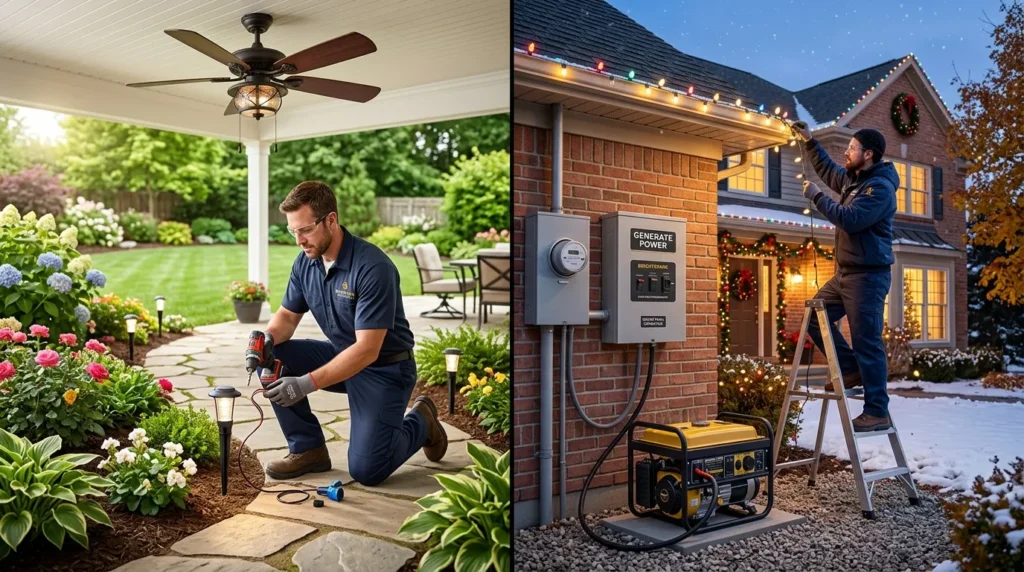
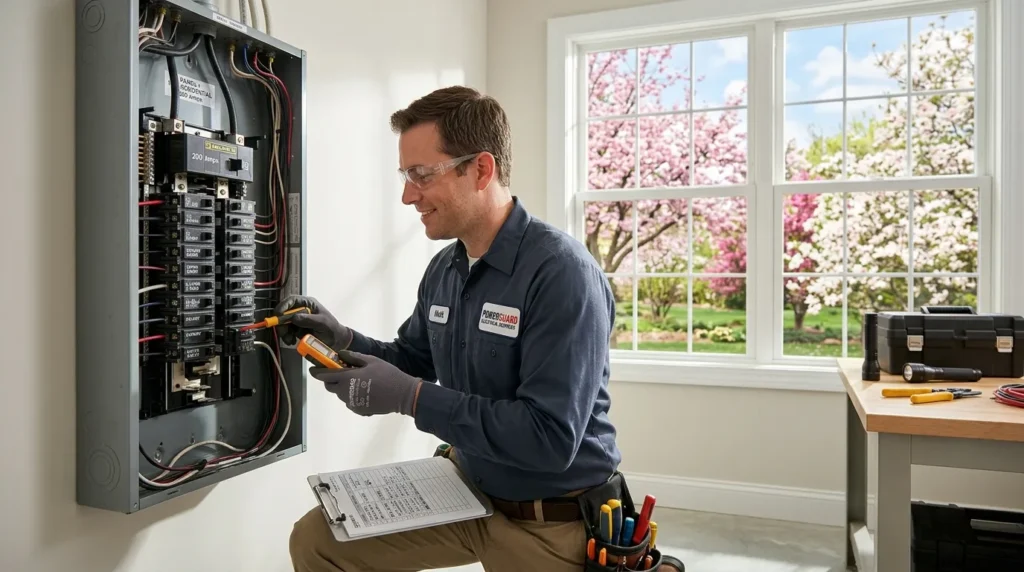
Winter brings a noticeable spike in electrical demand, largely driven by heating systems, space heaters, and holiday lighting all pulling more power than usual. This is a strong season to promote panel inspections and upgrades, since older electrical panels often struggle to handle the added seasonal load, sometimes resulting in tripped breakers or, in more serious cases, safety hazards.
Holiday lighting installation and removal services are also worth promoting early, ideally starting in late October or early November, before homeowners have already committed to doing it themselves or hired someone else. A short blog post or social media series on safe holiday lighting practices, paired with a clear call to action for professional installation, tends to perform well during this window.
Cold weather is also a good time to highlight generator installation or maintenance, particularly in regions where winter storms create a real risk of power outages. Homeowners who experienced an outage the previous winter are often actively searching for backup power solutions once temperatures start dropping again.
Spring tends to be a season of renewal, and that extends to how homeowners think about their homes. This is a natural time to promote electrical inspections, especially for older homes, since many people use spring as a general “get things checked and fixed” period after a long winter.
It’s also prime renovation season. Homeowners planning kitchen remodels, home additions, or basement finishing projects are actively searching for electricians who can handle wiring updates, new outlet installations, and code compliance work. Content and ads focused on renovation-related electrical work tend to see strong engagement during this stretch.
In regions prone to spring storms, promoting surge protection and generator services ahead of storm season, rather than reactively afterward, positions you as prepared and proactive rather than scrambling to catch up with demand once storms have already caused damage.

Summer heat puts real strain on electrical systems, primarily from air conditioning units running constantly. This is a strong season to promote panel upgrades and circuit inspections, particularly for homes that have added air conditioning or other high-draw appliances since their panel was last evaluated.
Outdoor living projects also peak in summer. Homeowners installing outdoor kitchens, pool equipment, deck lighting, or backyard entertainment areas need reliable, code-compliant electrical work, and searches related to outdoor electrical installation tend to rise noticeably during these months.
Summer is also an increasingly strong season to promote EV charger installation, as more homeowners consider electric vehicle purchases and want charging set up before or shortly after a new vehicle arrives. Positioning your business early in this space, through both content and paid ads, helps you capture a growing category of demand before it becomes even more competitive.
Fall is largely a preparation season, and marketing that reflects that mindset tends to resonate well. Promoting pre-winter electrical inspections, generator servicing, and panel evaluations positions your business as the practical, forward-thinking choice before winter demand spikes and scheduling gets tighter.
This is also a good time to start early messaging around holiday lighting installation, giving homeowners who plan ahead a reason to book with you before your schedule fills up in November and December. A modest fall campaign focused on “get ready before the rush” messaging tends to perform well, since it appeals to homeowners who want to avoid the stress of last-minute scheduling once winter arrives.
You don’t need a complex system to make seasonal marketing work. A simple approach is mapping out four to six key promotions or content pieces per season, tied to the specific electrical concerns most relevant during that stretch, and adjusting your website, blog, and ad campaigns to reflect them a few weeks ahead of when demand typically rises. Planning slightly ahead of each season, rather than reacting once it’s already underway, gives your marketing time to build momentum before your competitors catch on to the same seasonal demand.
Your paid advertising budget can follow the same seasonal logic as your content. Increasing your Google Ads or Local Service Ads budget slightly during your busiest seasonal windows, such as summer cooling season or the pre-holiday lighting rush, and easing back during naturally slower periods helps you get more value from every dollar spent, rather than spreading a flat budget evenly across months with very different levels of actual demand.
Electrical demand shifts throughout the year in fairly predictable ways, and adjusting your marketing to match that rhythm is one of the simpler, more effective strategies available to electrical contractors. You’re not creating new demand out of nothing, you’re simply making sure your business shows up clearly and consistently right as that seasonal demand is already building. A little advance planning each season goes a long way toward keeping your schedule full throughout the year, rather than only during the months when customers happen to think of you on their own.
Keep reading
 Blog
Blog Every garage door company owner eventually asks the same question: should I put my marketing budget into SEO, into Google […]
 Blog
Blog A lot of garage door companies build a website with a homepage, a services page, and a contact page — […]
 Blog
Blog SEO takes months to pay off. Google Ads can start ringing your phone today. For garage door companies, where a […]
Marketing
Reviews, local SEO and a website that is easy to use work best together. Tell us about the business and we’ll tell you, plainly, what we would do next.